



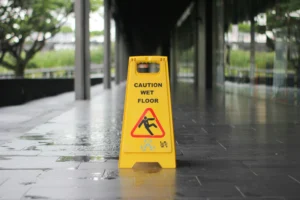
A dangerous property condition can change your life in an instant. When property owners fail to maintain safe conditions, Attorney Skiber holds them accountable. Our local team has secured compensation for clients injured at businesses, shopping centers, and properties across Norwalk, Bridgeport, and Stamford.
Attorney Skiber knows what it takes to win slip and fall cases. We act fast to:
- Document hazardous conditions before they’re fixed
- Secure security camera footage
- Interview witnesses while memories are fresh
- Work with safety experts to prove negligence
- Fight back against claims that you were at fault
Don’t let property owners or insurance companies dismiss your injuries. From icy sidewalks to unmarked spills, we prove when businesses put profits over safety. Attorney Skiber personally handles your case, bringing decades of premises liability experience to your fight for justice.
Understanding Property Owner Liability in Connecticut
When business owners fail to keep their property safe for customers and other guests, they could face liability for the injuries that result. A personal injury attorney could provide you with the legal assistance that you need to pursue the compensation you deserve and hold the negligent business owner accountable.
However, slip and fall accidents can be some of the most difficult cases to prove because some people believe that if there is a slip hazard, the victim should have simply been more cautious. As a result, it is important to immediately contact an experienced Norwalk, Bridgeport, & Stamford slip and fall lawyer who can help you build a compelling case.

for Connecticut GET A FREE CONSULTATION
Causes of Slip & Fall Incidents
Slip and fall accidents can occur at private residences, offices, hotels, restaurants, stores, and other establishments. Specifically, an accident can occur as a result of:
- Spills on the floor of a business
- Slippery sidewalks due to ice, snow, or rain
- Slick floors due to floor wax
- Broken and crumbling sidewalks and stairs
- Missing handrails or poor lighting in stairwells
Any kind of slip and fall accident can lead to catastrophic injuries such as traumatic brain injuries, broken bones, back injuries, or neck injuries. A slip and fall attorney in could assist in documenting the severity of a plaintiff’s injuries and build a more successful claim for damages based on this information.
The deadline to file in Connecticut
Connecticut law generally gives you two years from the date the injury is sustained or discovered to bring a claim, and in most cases no more than three years from the act or omission complained of, even if the injury is discovered later. That deadline comes from Conn. Gen. Stat. § 52-584.
How shared fault affects your claim
Connecticut follows modified comparative fault under Conn. Gen. Stat. § 52-572h: when the victim and the defendant share fault, the court reduces recoverable compensation by the victim's percentage of fault, and a victim whose share of fault is more than 50 percent may not recover at all.
Frequently Asked Questions
Why are slip and fall accidents difficult to prove?
Slip and fall accidents can be some of the most difficult cases to prove because some people believe that if there is a slip hazard, the victim should have simply been more cautious. As a result, it is important to immediately contact an experienced Norwalk, Bridgeport, & Stamford slip and fall lawyer who can help you build a compelling case.
What are common causes of slip and fall incidents?
Slip and fall accidents can occur at private residences, offices, hotels, restaurants, stores, and other establishments. Specifically, an accident can occur as a result of spills on the floor of a business; slippery sidewalks due to ice, snow, or rain; slick floors due to floor wax; broken and crumbling sidewalks and stairs; and missing handrails or poor lighting in stairwells.
What is premises liability in Norwalk, Bridgeport, and Stamford slip and fall cases?
Premises liability refers to the area of the law that holds property owners responsible for any injuries that occur on their property, including instances where visitors slip and fall. Both public and private property owners have a legal duty to inspect and maintain their property to ensure a safe environment for their visitors, and to take reasonable action to remedy hazards or warn others that hazardous conditions exist.
What must be proven to establish liability in a trip and fall case?
To prove liability in a trip and fall case, an injured party must show proof that a dangerous condition existed on the property; the property owner knew or should have known of the hazardous condition; and the situation existed long enough for the property owner to reasonably discover and remedy the dangerous condition in question.
How can Attorney Skiber help after a slip and fall accident?
Attorney Skiber acts fast to document hazardous conditions before they’re fixed, secure security camera footage, interview witnesses while memories are fresh, work with safety experts to prove negligence, and fight back against claims that you were at fault. Attorney Skiber personally handles your case and you can call today to schedule a free case consultation.
Liability in Norwalk, Bridgeport, & Stamford Cases
Premises liability refers to the area of the law that holds property owners responsible for any injuries that occur on their property, including instances where visitors slip and fall. Both public and private property owners have a legal duty to inspect and maintain their property to ensure a safe environment for their visitors. If they find any hazards or dangerous conditions, property owners should take reasonable action to remedy these conditions or to warn others that these hazardous conditions exist.
A lawyer who is familiar with slip and fall claims could help injury victims gather evidence that supports their property liability claim. To prove liability in a trip and fall case, an injured party must show proof of the following elements:
- A dangerous condition existed on the property
- The property owner knew or should have known of the hazardous condition
- The situation existed long enough for the property owner to reasonably discover and remedy the dangerous condition in question
For example, if a spill in a grocery store occurs less than five minutes before a customer slips and injures themselves, a store owner may have insufficient time to remedy the situation. However, if the same spill occurred hours before this person fell, and the store owner had not cleaned it up or marked the area as dangerous, the store owner could be liable.
Talk to a Slip and Fall Attorney Today
Proving negligence in a slip and fall case may be difficult to handle without legal representation. While you focus on your recovery, a Norwalk, Bridgeport, & Stamford slip and fall lawyer can work on your case and help you pursue the compensation that you deserve. Call today to schedule a free case consultation.